
Ad costs keep climbing. Customers buy once. Ecommerce marketing that brings them back.
We tie ad spend to real orders, recover abandoned carts and build the email and SMS flows that turn one-time buyers into regulars.
- Shopify brands
- DTC and custom storefronts
- Subscriptions
- Specialty food and gifts
- Cart abandoned8:47No email went out
- Ad costs up againMonSales stayed flat
- One-time buyersTodayThey never came back
- Slow mobile checkoutSatShoppers drop off
A typical week for an online store, before and after.


The abandoned-cart math
You already paid for the shopper who walked away.
Slide in your own store. This is what unrecovered carts cost before you buy one more click.
- 60 a week × 4.3
- 260 a month
- × 8% of them
- 21 orders
- × $85 each
- $1,768
Every month, left in abandoned carts
$1,768
$21,216 a year
Sound familiar?
What store owners tell us, and what we change.
Rising ad costs and one-time buyers are rarely an ad problem alone. These are the fixes that move margin.
Meta costs more every month, and ROAS keeps sliding.
Ads judged on margin, not ROAS alone
Meta, Google Shopping and TikTok campaigns structured around your real contribution margin, with creative refreshed before it wears out.
They buy once and we never see them again.
Flows that bring them back
Post-purchase, replenishment and win-back emails and texts timed to how your customers actually reorder.
Carts get filled and abandoned all day.
Abandoned carts followed up
Browse and cart recovery that reaches the shopper within the hour, on email and text.
Revenue is up, but we’re keeping less of it.
Growth that protects the margin
Bundles, offers and product page work that lift order value, so each customer you pay to acquire is worth more. Every test is tracked to orders, not clicks.
Every growth spike is one founder post away.
Channels you own
SEO for collection and product pages, and an email and SMS list that grows every week, so sales don’t depend on the algorithm.
Five dashboards, five different answers.
One honest view of what sells
Orders, spend and returning customers by channel in one place, so the next dollar goes where it earns.
Proof
Stores built to sell on every screen.
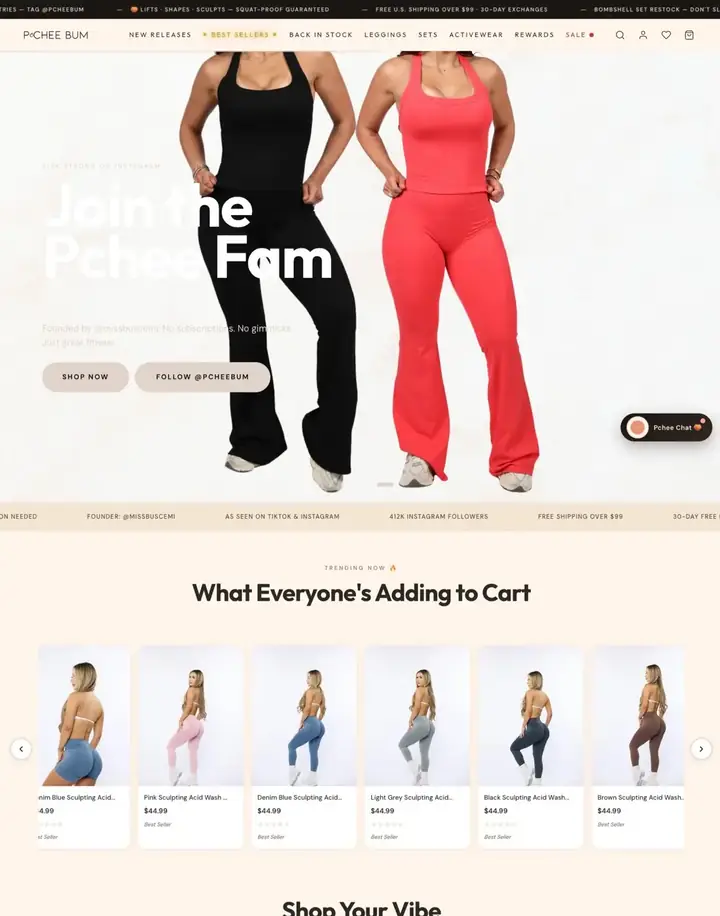
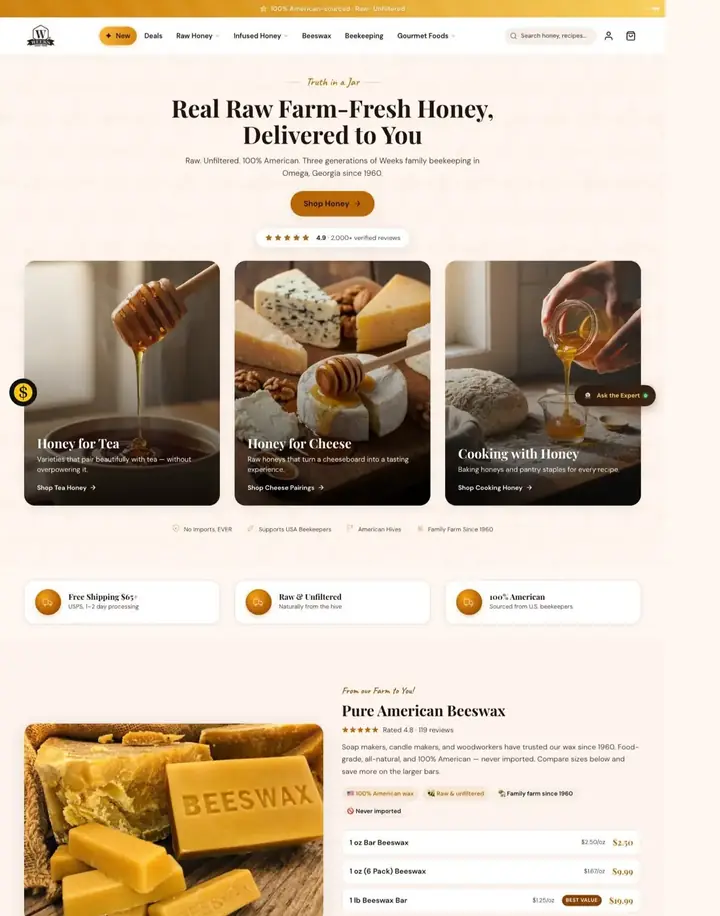
A DTC brand on the same system, and live stores we designed and built. Tap any store to open it.
The system
Profitable scaling beats louder spending
- 01
Why stores hit a ceiling
Most ecommerce brands stall not because demand dries up, but because unit economics quietly break as they scale. Acquisition costs creep up, return on ad spend slides, and the temptation is to pour more budget into the same campaigns. That’s how a profitable store turns into a treadmill: more revenue, less margin. We treat growth as a full-funnel system where paid media is one lever among several.
- 02
Acquisition that actually pays
Meta, Google Shopping and TikTok campaigns are mapped to your real contribution margin, not top-line ROAS alone. Then the leverage shifts to what most brands neglect: welcome, abandoned cart, browse abandonment and post-purchase flows recover revenue you already paid to acquire, and conversion work turns the traffic you’re buying into more orders without another ad dollar.
- 03
Retention compounds everything
Loyalty, subscription offers and win-back campaigns raise repeat purchase rate, and because returning customers cost almost nothing to reach, every point of retention drops to the bottom line. Underneath sits honest attribution and cohort analysis, so you see which channels drive profitable growth on Shopify, a custom storefront or a marketplace.
Stop paying twice for the same customer.
Tell us about your store. We’ll show you where margin leaks between the ad and the reorder, free.
Or call us: 786-338-9704
- Free plan, yours to keep
- No long-term contracts.
- You approve everything first