
Unlock Business Growth with Proven Lead Generation Techniques
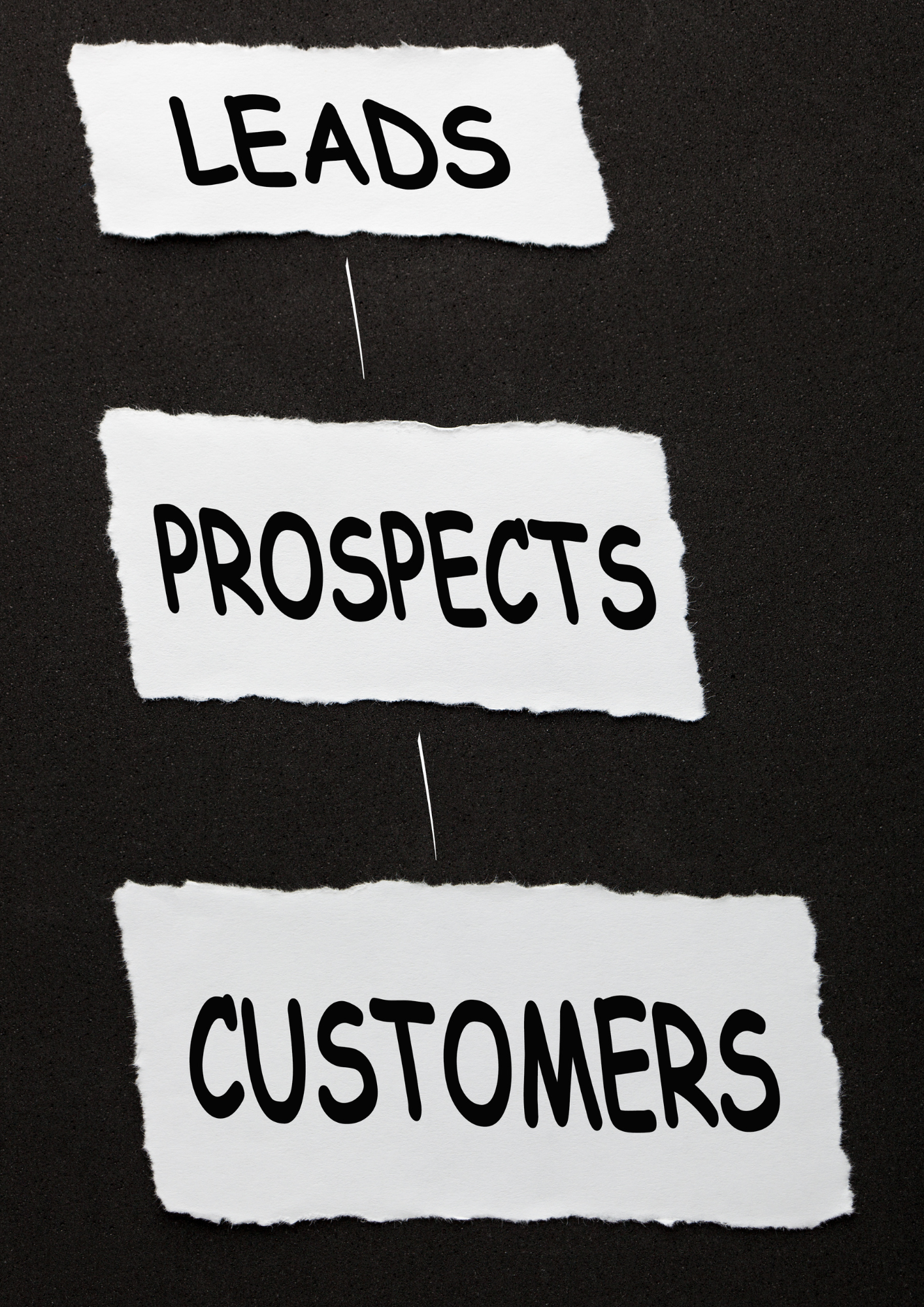
Lead generation isn't a funnel problem — it's a clarity problem. Most businesses chasing growth are running tactics without understanding which customer actions actually signal buying intent, and they're bleeding budget on campaigns that generate noise instead of revenue.
Stop Confusing Traffic With Leads
A visitor is not a lead. A follower is not a lead. A like is not a lead. This distinction sounds obvious until you look at how most service businesses measure their marketing — page views, impressions, reach — metrics that feel good and do nothing.
A lead is someone who has raised their hand with specific intent. For a med spa, that's a form submission requesting a consultation for a specific treatment. For a moving company, that's someone entering their move date and zip code into a quote tool. The specificity matters because it tells you something about timing and readiness.
When you design your lead generation around intent signals — not just contact captures — your close rate goes up and your cost per acquisition goes down. One Miami-based home services company we worked with cut their cost per booked job by 34% simply by replacing a generic "Contact Us" form with a three-field job-specific intake form. Same traffic. Better leads.
The Channels That Actually Convert for Service Businesses
Google Search Ads with tightly themed ad groups remain the highest-intent paid channel for local service businesses. Someone searching "emergency AC repair Miami" is not browsing — they're buying. A $40 click that books a $600 job is a 15x return before you've done any retention work.
But paid search has a ceiling, and it gets expensive fast in competitive markets like legal and med spas. The businesses growing consistently are layering in two or three channels:
Google LSA (Local Services Ads) for home services and legal — pay-per-lead, not pay-per-click, and Google's "Google Screened" badge closes trust gaps instantly.
Email nurture sequences for high-consideration purchases. Med spas selling CoolSculpting or laser packages are not getting same-day decisions. A five-email sequence over 14 days — educational content, before/afters, a limited-time booking incentive — can convert leads that would have gone cold into scheduled appointments.
Retargeting via Meta for anything with a 30-90 day consideration window. Someone who visited your moving company's pricing page three times and didn't convert is worth a $5/day retargeting campaign showing them a $50 move discount or a "book by Friday" offer.
Most agencies pick one channel and ride it. That's how you get fragile pipelines.
Build the System Before You Scale the Spend
Here's where businesses waste the most money: they scale ad spend before fixing what happens after someone converts.
If a lead submits a form on your website and doesn't hear back for four hours, you've lost them. Studies show lead response time is the single biggest variable in contact rate — responding within five minutes increases the odds of qualifying that lead by 21x compared to a 30-minute response. This isn't a marketing problem. It's an operations problem that kills marketing ROI.
Fix the system first:
- Use a CRM like HubSpot, GoHighLevel, or even a well-configured Pipedrive to auto-trigger a text and email the second a form is submitted
- Assign leads to a specific person, not a shared inbox
- Build a three-touch follow-up sequence for no-responses (text, call, email over 48 hours) before a lead is marked as cold
For ecommerce, the equivalent is abandoned cart flows. Klaviyo's data consistently shows a three-email abandoned cart sequence recovering 5-15% of abandoned carts — money sitting on the table that most stores ignore.
The point is simple: lead generation doesn't end at the form submission. The handoff from marketing to sales (or booking) is where growth actually happens.
What to Do Next
- Audit your current lead forms — are they capturing intent signals (service type, timeline, job specifics) or just name and email?
- Check your response time — pull your last 30 leads and calculate average time-to-first-contact; if it's over 30 minutes, fix that before spending another dollar on ads
- Map your channel mix — if 80%+ of your leads come from one source, you have a fragile pipeline; identify one secondary channel to test this quarter
- Set up a three-touch follow-up sequence in whatever CRM you use — text, call, email — for any lead that doesn't respond within two hours
The businesses that grow consistently aren't running more campaigns. They're running tighter systems that make every lead worth more — and they stop confusing activity with results long before their competitors do.
Want us to build this for you?
Get a free custom growth plan for your business.
Start Your Growth Plan