
Unlock Business Growth with Effective Marketing Strategies
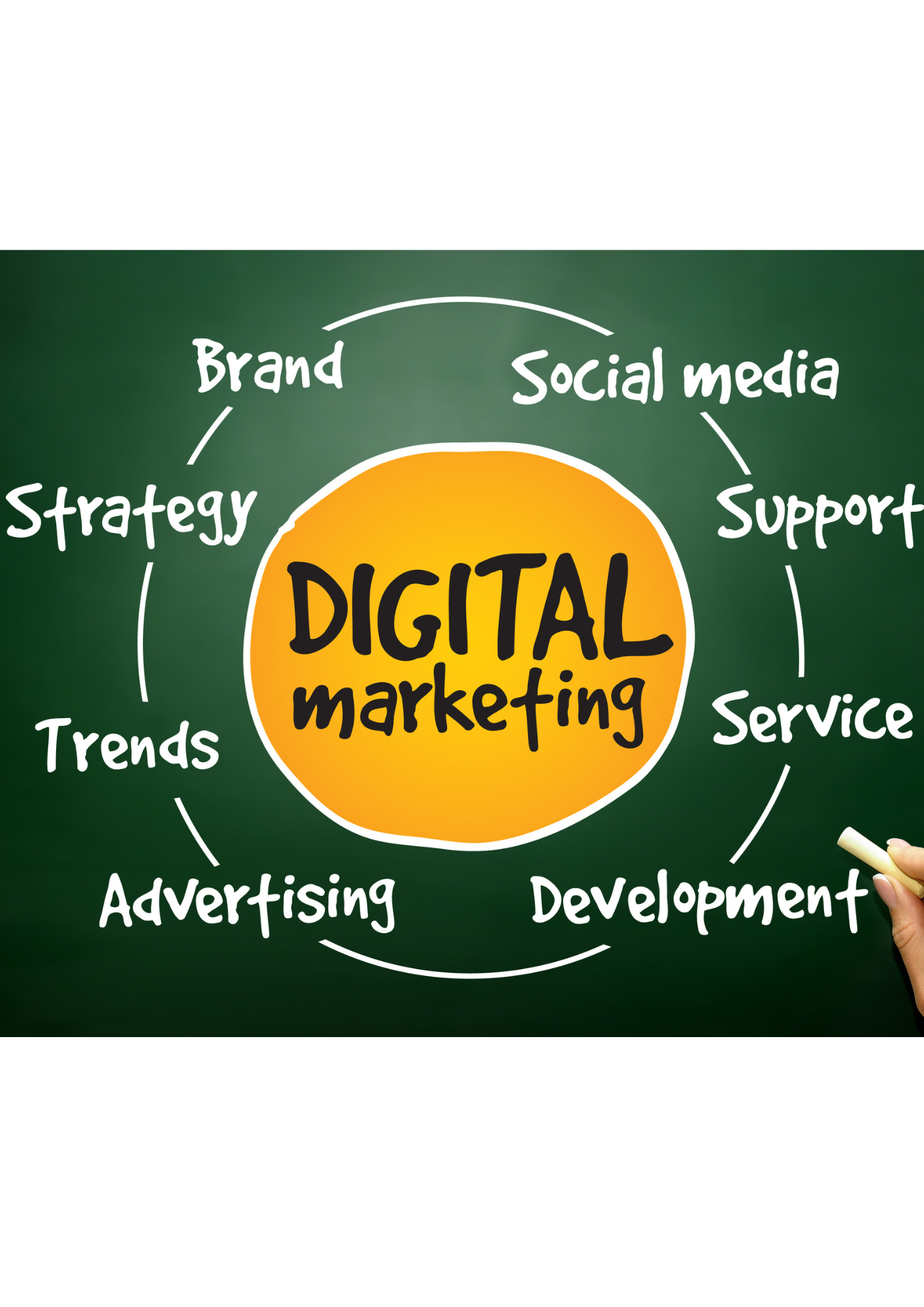
Your marketing isn't failing because the market is tough — it's failing because you're running tactics without a strategy underneath them.
Most service businesses throw money at Google Ads, post three times a week on Instagram, and wonder why revenue is flat. The problem isn't the channels. It's that every move is disconnected from a clear growth mechanism. Real marketing strategy answers one question first: how does a stranger become a paying customer, and what does each step cost us?
Stop Confusing Activity With Strategy
Running ads is not a strategy. Posting content is not a strategy. These are executions. Strategy is the decision about *which* customers you're chasing, *why* they'd choose you over the four competitors showing up on the same Google results page, and *what sequence* of touchpoints turns curiosity into a signed contract.
A med spa running broad awareness ads to a 30-mile radius while ignoring 847 unanswered Google reviews is a perfect example of activity without strategy. The ads bring traffic. The reviews kill conversions. You can't outspend a trust problem.
Before touching a single campaign, map your current funnel. Where are leads coming from? Where are they dropping off? For most service businesses, the leak isn't at the top — it's in the middle. Someone clicks the ad, lands on a generic website, can't find pricing or proof, and leaves. A $15,000/month ad budget with a 0.8% conversion rate isn't a budget problem. It's a strategy problem.
The Channels That Actually Move Revenue for Service Businesses
Not all channels perform equally for service-based models. Here's what consistently drives measurable growth:
Google Search + LSA (Local Services Ads): For movers, home services, and legal practices, intent-based search is the highest-converting channel. Someone searching "emergency AC repair Miami" is ready to buy. LSAs specifically show a "Google Guaranteed" badge and charge per lead, not per click — often delivering leads at $20–$60 for trades businesses.
Email and SMS automation: Most service businesses collect customer contact info and do nothing with it. A reactivation sequence — three emails and one SMS sent to past customers over 10 days — routinely recovers 8–15% of dormant clients. That's revenue with zero ad spend.
Review velocity: A business moving from 42 reviews at 4.1 stars to 200 reviews at 4.7 stars sees an average 30–40% increase in local map pack click-through. Reviews aren't a nice-to-have. They're a conversion mechanism. Tools like NiceJob or Birdeye automate the ask post-service.
Retargeting: If you're not following website visitors with ads on Meta or Google Display, you're letting warm leads walk. A visitor who spent 90 seconds on your service page is 70% more likely to convert than a cold prospect — and retargeting CPMs are a fraction of prospecting costs.
Where Most Agencies Get This Wrong
Most agencies sell you a service line item — SEO, paid social, web design — and execute that deliverable in isolation. They're not wrong for doing their job. They're wrong for not asking what the job is supposed to accomplish.
A new website doesn't grow your business. A website built around a specific conversion goal — phone calls, form submissions, booked appointments — with A/B tested headlines, visible social proof, and mobile-first load times under 2.5 seconds, does. The difference between those two things is strategy.
Same with SEO. Ranking for "home cleaning services" in a city of 4 million is a 14-month project. Ranking for "deep cleaning service Brickell" or "move-out cleaning Coral Gables" gets you on page one in 60–90 days with a fraction of the effort. Specificity wins. Generic loses.
The businesses growing 30–50% year over year aren't outspending competitors. They're out-thinking them by picking narrower targets, building tighter funnels, and tracking every dollar back to a result.
What to Do Next
- Audit your current funnel in writing. List every touchpoint from first click to closed sale. Identify where you're losing people. Fix that before adding budget anywhere.
- Pull your Google Analytics conversion data for the last 90 days. If you don't have conversion tracking set up, stop all ad spend until you do. You're flying blind.
- Send a reactivation email to your last 12 months of customers this week. Offer something specific — a seasonal discount, a free add-on, a referral incentive. Measure who responds.
- Check your review count and star rating against your top three local competitors. If they have more and better reviews, that's your first priority — not more ads.
Growth doesn't come from doing more. It comes from doing the right things in the right order with a clear view of what's working. Build the foundation first, then scale what earns its keep.
Want us to build this for you?
Get a free custom growth plan for your business.
Start Your Growth Plan